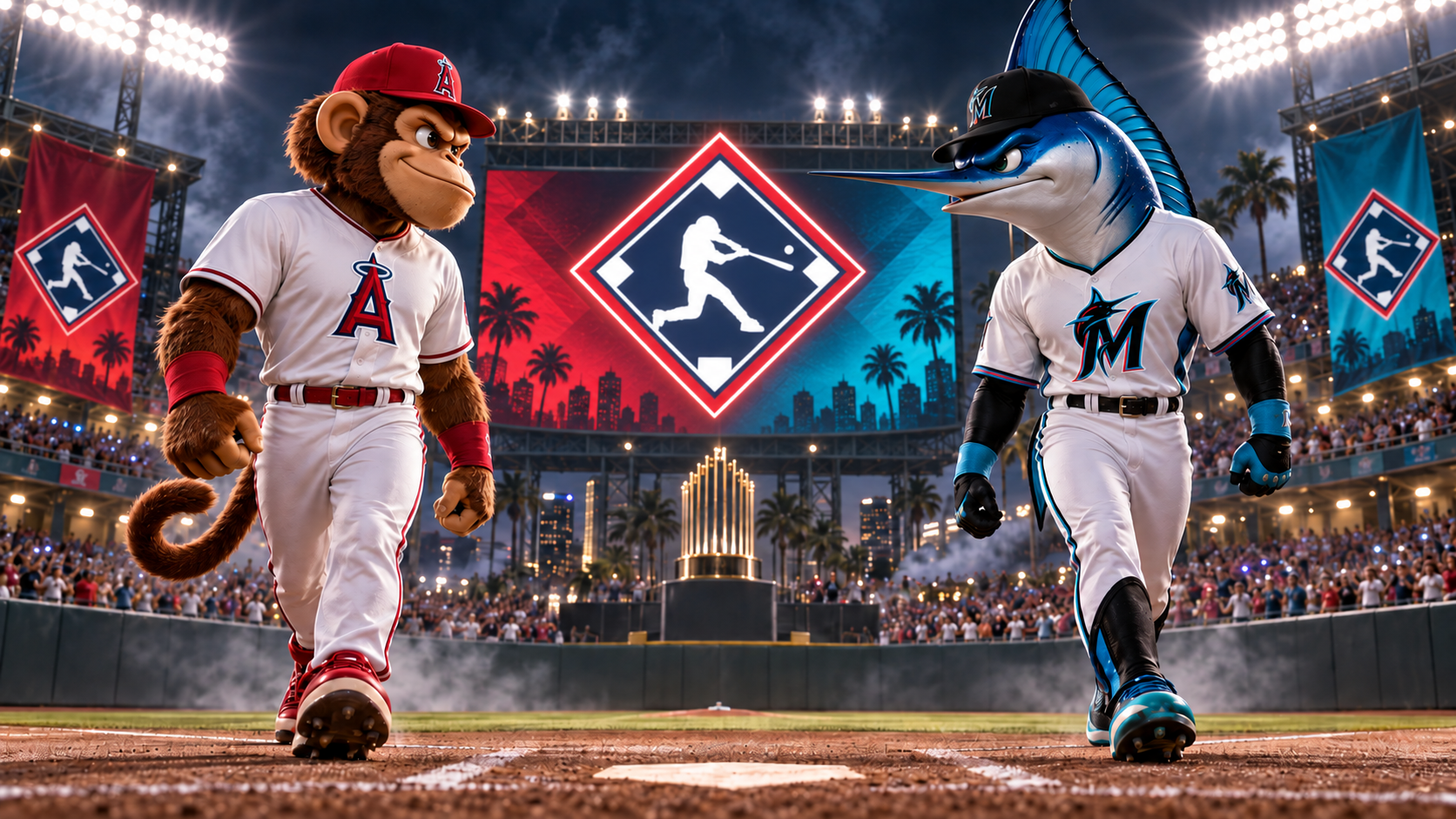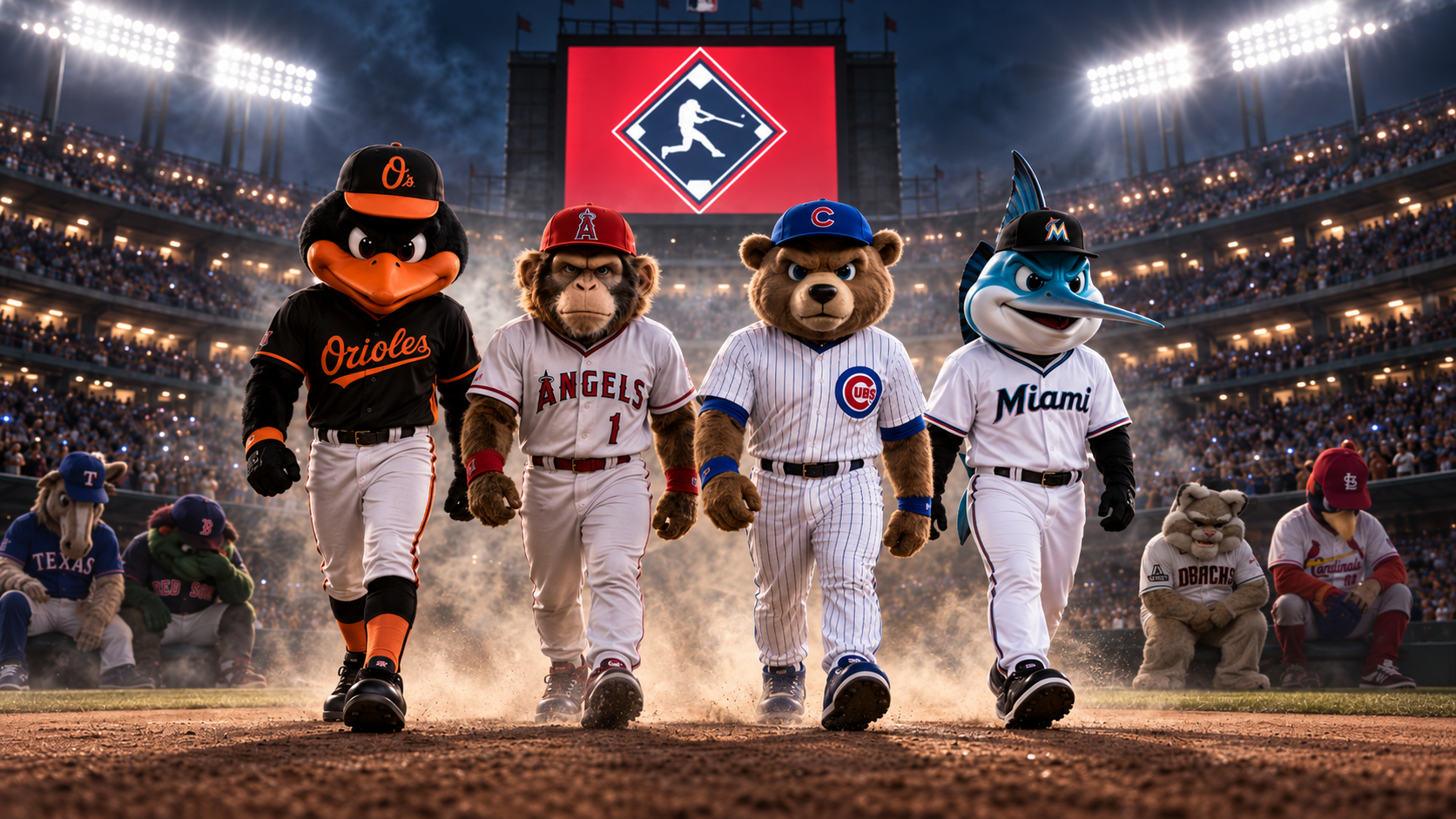



The 2026 APBL season ended with no need for a photo finish. Miami left no doubt.
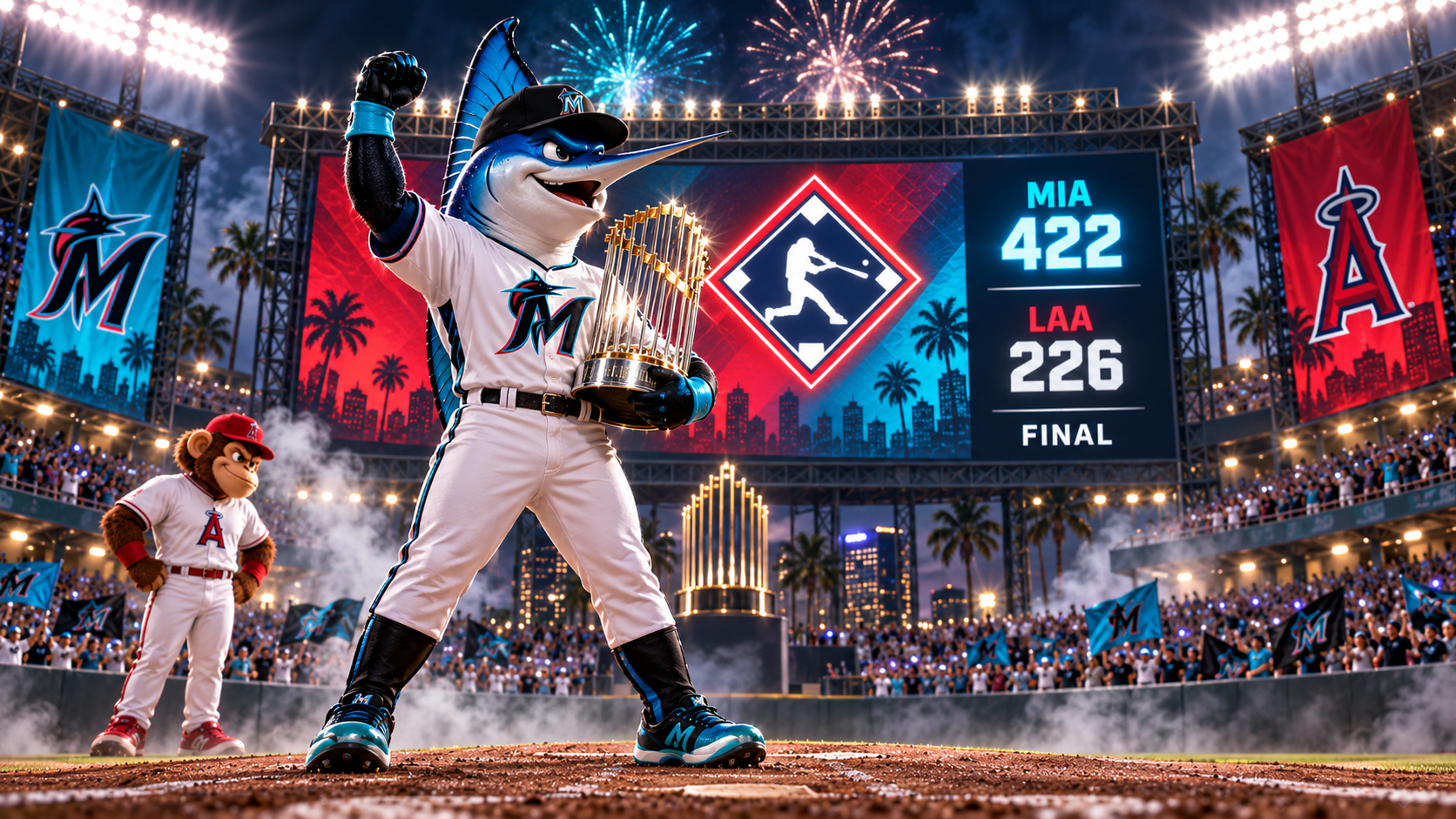
The Marlins defeated the Los Angeles Angels 422-226 in the championship, turning what had been a six-point game after Monday into a runaway. Miami’s lead grew from six to 42, then 89, then 107, then 163 and 177 before finishing with a 196-point margin of victory. The 422 points were the third-highest single-game total of the season, with the only higher totals coming during the extended Week 16 Rivalry Week. For Miami, it was the perfect final statement to a season that had already exceeded every reasonable expectation.
This was Miami’s first season in the APBL, but the Marlins did not spend it behaving like a newcomer. They finished the regular season 17-5, won the NL East, tied Chicago at .969 atop the final Power Rankings and missed the No. 1 National League seed by only five total points after splitting the regular-season series with the Cubs. Once the postseason began, Miami never stopped. The Marlins beat St. Louis, eliminated Chicago and then overwhelmed Los Angeles in the championship, finishing the season on an 11-game winning streak and going 3-0 in the playoffs.
Los Angeles’ loss does not erase what the Angels accomplished. Their GM needed time to find her footing during the league’s inaugural 2024 season, but the franchise has steadily grown into one of the APBL’s strongest. The Angels went 15-7 in 2025, won a playoff round before falling to eventual champion Texas, then returned in 2026 to win the AL West and reach the championship. They entered the title game on a seven-game winning streak, but Miami simply caught fire at a level nobody could match.
A Season Defined by Runs
Miami’s championship was the final chapter, but 2026 produced plenty of stories before the Marlins took over the ending. Chicago authored the biggest regular-season run of the year, winning 16 consecutive games from Week 6 through Week 21. That streak transformed the Cubs from an early-season question mark into the No. 1 seed in the National League, and it finally ended in Week 22 when St. Louis beat Chicago 325-199.
The Cubs and Marlins ultimately finished with identical 17-5 records and split their two regular-season meetings. That sent the race for the No. 1 seed to total points, where Chicago edged Miami 6,144 to 6,139. Five points separated the top two teams after 22 weeks, which said everything about how tight the race at the top had become.
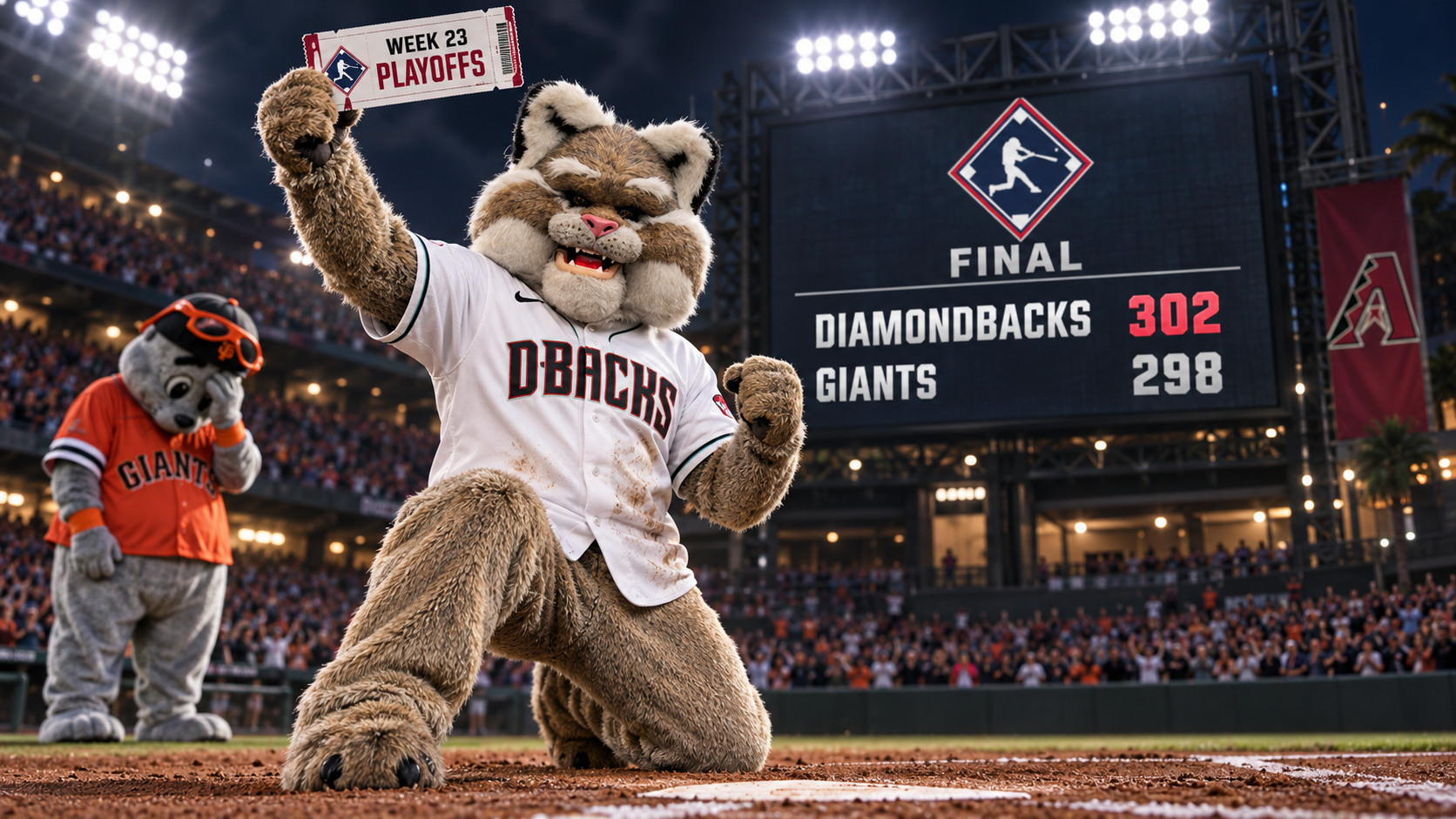
Arizona supplied the regular season’s most dramatic finish. The Diamondbacks entered the final Sunday of Week 22 trailing San Francisco by 57 points with the final National League playoff spot on the line. Four Arizona starting pitchers helped produce a 61-point swing, and the Diamondbacks escaped with a 302-298 win. San Francisco had won the first two meetings between the teams, but Arizona won the one that decided who kept playing.
The league also introduced its first Rivalry Week in 2026, creating a set of annual matchups that can now build their own history moving forward. That extended Week 16 produced some of the season’s biggest scores and gave the APBL another tradition to carry into future years.
Four Division Winners, Four Different Paths
Baltimore won the AL East and finished as the No. 1 seed in the American League. The Orioles were one of the league’s most consistent teams throughout the season and carried that form into the postseason before running into a red-hot Angels team in the league championship round.
Los Angeles took the AL West and continued the franchise’s steady rise toward contention. Miami controlled the NL East in its first season and ultimately turned that division title into a league championship. Chicago won the NL West behind its 16-game winning streak and finished with the best seed in the National League by the smallest of margins.
Not every season ended with a playoff run. Cincinnati missed the postseason for the first time in APBL history, while Cleveland and Sacramento endured difficult years near the bottom of the standings. Those results will become part of the offseason story just as much as the teams that finished at the top.
Looking Toward 2027
The APBL may look different when it returns next spring. The league is anticipating the possibility of consolidating from 16 teams to 14, with seven teams in each league, and there may also be changes to rules involving pitchers. Nothing is final yet, with those discussions expected to take place during the league-wide meeting shortly after the new year.
Whatever the structure looks like, the 2026 season left plenty behind for 2027 to build on. Rivalry Week now has history. Several divisions developed new contenders. Chicago proved how quickly a season can turn. Arizona showed how thin the line between elimination and survival can be. Los Angeles took another major step forward.
And Miami showed just how quickly a new franchise can change the entire league.
Twenty-five weeks after the season began, the Marlins finished it with 11 straight wins, a 422-point championship performance and the first APBL title in franchise history.
The 2026 season belongs to Miami.
See you in 2027.